Office Furniture Solutions for Workplaces and Institutions
An office furniture shop helps buyers identify desks, chairs, workstations, meeting tables and storage units suited to their working environment. The right combination can make a workplace easier to organize, support daily tasks and create a consistent professional appearance. For businesses planning a new office or replacing existing furniture, the selection process should consider employee requirements, room dimensions, circulation space and the activities performed in each area.
Cultivated Interiors' website presents office furniture categories including modular office furniture, office seating, conference tables, workstations and school furniture. These categories can help buyers explore options for different workplace and institutional requirements.
Explore Office Furniture Categories
Different work areas require different furniture arrangements. Identifying the purpose of each space helps buyers choose appropriate products instead of purchasing items based on appearance alone.
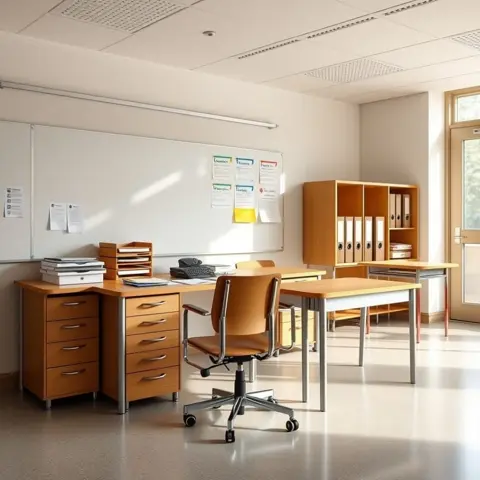
Office desks and executive tables: Suitable for individual work areas, managerial cabins and administrative tasks. Buyers should consider tabletop space, storage needs and equipment placement.
Modular workstations: Designed to organize individual or shared work areas. Depending on the selected configuration, workstations may help define employee spaces within an open office.
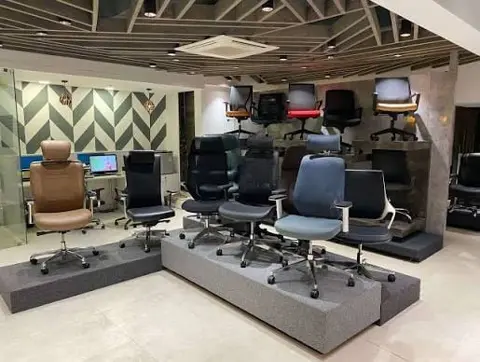
Office chairs: Available in different styles for desks, meeting rooms and executive cabins. Buyers should compare seat dimensions, backrest design, adjustment features and upholstery options.
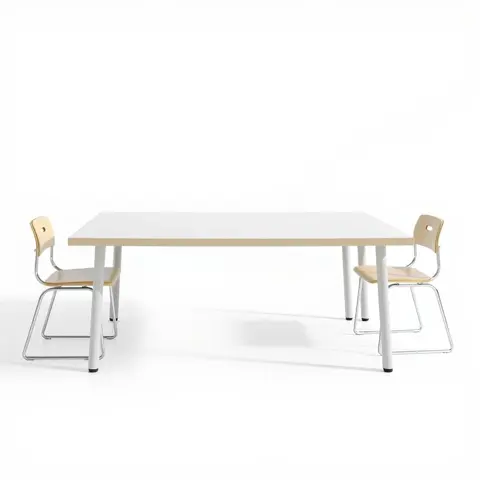
Conference tables: Used for team discussions, client meetings, interviews and presentations. Table dimensions should match the room layout and expected number of participants.
Storage cabinets and filing units: Help organize stationery, files, documents and office supplies. Buyers should assess the type and volume of items that need storage.
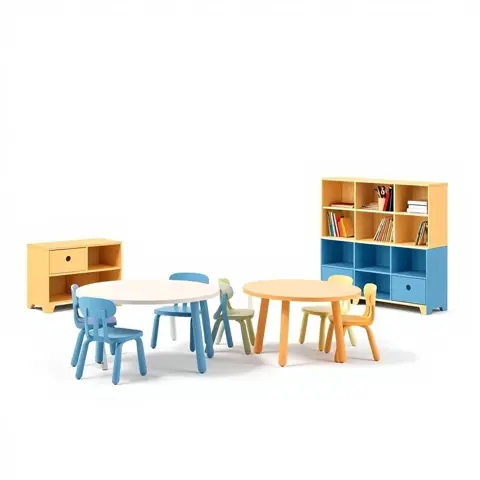
School and institutional furniture: May include administrative desks, staffroom furniture, reception counters and faculty seating, depending on the requirement.
The appropriate product range depends on the space, number of users and intended use. Buyers can discuss their furniture list with Cultivated Interiors to identify relevant categories.
Design, Layout and Everyday Usability
Furniture selection affects how employees move through an office and use their work areas. A suitable layout should leave enough room for chairs to move, drawers to open and people to access shared facilities. In compact offices, carefully planned desk placement and vertical storage may help make better use of the available area.
Visual consistency also matters. Matching or coordinating furniture finishes, colours and styles can create a more unified appearance across reception areas, cabins and workstations. However, appearance should be considered alongside practical requirements such as cleaning, storage access and equipment placement.
The construction and finish should be evaluated for the intended environment. Engineered wood, laminate surfaces, metal frames and upholstered components are common options in office furniture, but their suitability depends on the particular product and its construction. Buyers should request actual material details before confirming an order.
Choosing Furniture for Different Environments
Corporate offices: Workstations, office chairs, executive desks and meeting tables can be selected according to team size, reporting arrangements and the need for individual or shared workspaces.
Startups and coworking spaces: Flexible layouts may be useful when teams expand or seating arrangements change. Buyers should consider whether standalone desks or modular workstation systems better suit their plans.
Educational institutions: Administrative offices, faculty rooms, reception areas and staffrooms have different furniture requirements. Product selection should account for user groups, daily activities and available space.
Home offices: A suitable desk, supportive chair and accessible storage can help establish a dedicated working area. Buyers should measure the room before selecting furniture.
Meeting and reception areas: Conference tables and visitor seating should suit expected occupancy, movement around furniture and the professional setting.
How to Choose the Right Office Furniture?
Before contacting an office furniture shop, prepare a basic furniture requirement list. This helps narrow the options and makes quotation discussions more productive.
Measure the space: Record room dimensions, door positions, windows, columns and other layout restrictions.
Identify the users: Estimate the number of employees, visitors or students who will use the furniture.
Define daily activities: Consider computer work, paperwork, meetings, storage and collaborative tasks.
Set a budget: Establish a target budget for individual products or the complete furniture requirement.
Compare materials and finishes: Review the proposed material, surface finish, frame construction and cleaning requirements.
Check dimensions and usability: Compare product drawings or measurements with the intended room layout.
Plan for future requirements: Consider whether additional desks, seating or storage might be needed later.
These steps help buyers compare quotations based on relevant requirements rather than price alone.
Specifications and Customization Considerations
Office furniture does not have one universal size or configuration. Dimensions, material combinations, finishes, storage features and assembly requirements vary by product. Buyers should not assume that every available option is offered across the entire range.
For a clearer quotation, provide the product category, quantity, preferred dimensions, finish preferences, intended use and delivery location. If a project includes multiple furniture types, share a room-wise list or layout drawing when available.
Any customization, alternative material, special configuration or installation requirement should be discussed and confirmed with the supplier before an order is finalized. Written specifications help ensure that the selected furniture matches the agreed requirements.
Why Consider Cultivated Interiors?
Cultivated Interiors describes its business as an office furniture manufacturer offering modular office furniture, office chairs, conference tables and school furniture. Its website also presents workstation and institutional furniture categories.
For buyers evaluating office furniture shop Manufacturers in Noida, the next step is to identify the required products and communicate the project's practical needs. A clear enquiry allows the team to understand the intended application and discuss relevant product options.
Rather than relying on general product descriptions, request item-specific information about dimensions, construction, finish, quantity and applicable commercial terms. This approach is particularly useful for procurement teams coordinating furniture for multiple rooms or locations.
Request an Office Furniture Quotation
Whether you are furnishing a small office, arranging a corporate workspace or planning furniture for an institution, begin with a defined requirement list. Include the number of users, approximate room dimensions, product categories and budget expectations.
Contact Cultivated Interiors to discuss your requirements and ask for relevant product details and a quotation. Review the proposed specifications, quantities, finishes and commercial conditions before placing your order. A clear discussion at the enquiry stage helps you evaluate whether the proposed furniture is suitable for your space and intended use.