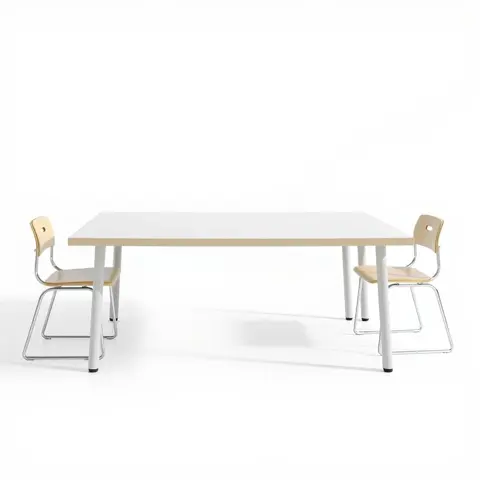
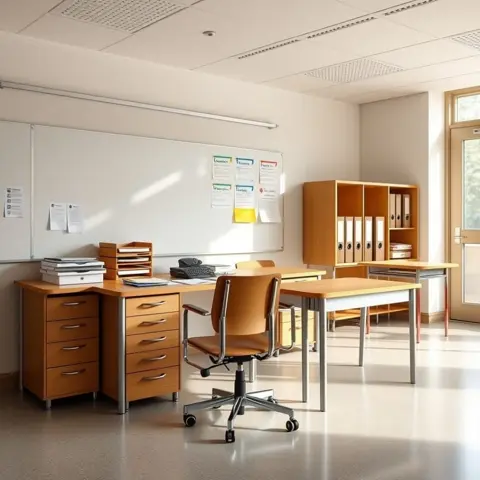
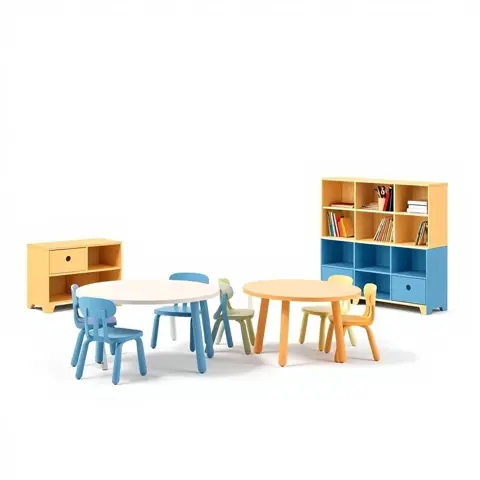
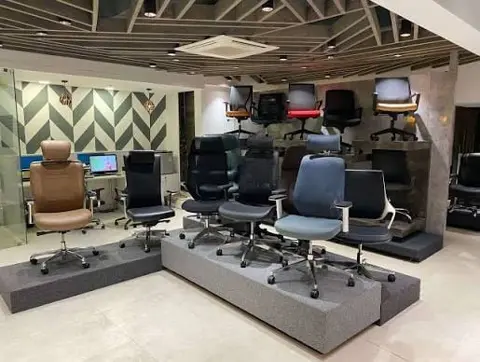
A desktop table is a practical furniture solution that creates a defined area for working, studying, using a computer, and managing documents. It can serve as an individual workstation in a corporate office, a study desk in a home, or a work surface in an educational or commercial environment. The right table should provide enough usable surface area for everyday tasks while fitting comfortably within the available room.
Cultivated Interiors serves buyers exploring furniture solutions for different workspace requirements. When evaluating desktop tables, purchasers should consider the table's intended purpose, dimensions, configuration, appearance, and compatibility with other furniture. These factors help determine whether a particular design is suitable for the space and the people using it.
Key Features and Practical Benefits
The features of a desktop table depend on its selected design and configuration. Buyers should evaluate the following considerations when comparing available options.
Usable tabletop area: Adequate surface space helps accommodate a monitor, laptop, keyboard, stationery, files, or study materials without unnecessarily crowding the work area.
Functional design: A straightforward layout makes it easier to arrange everyday work essentials and maintain a more organized desk.
Space-conscious dimensions: Selecting a table according to the room layout can help preserve walking space and allow comfortable access to nearby furniture.
Finish and appearance: The tabletop finish and colour influence how the table coordinates with existing desks, chairs, cabinets, and interior decor.
Configuration options: Depending on the selected model, buyers may consider a simple standalone table, a computer desk, or a table designed for a larger workspace arrangement.
These are selection criteria rather than guaranteed features of every model. Confirm the actual features of the chosen product before ordering.
Design, Materials and Construction
Material selection affects the appearance, maintenance requirements, and intended use of a desktop table. Common furniture options include engineered wood boards, laminate-finished surfaces, solid wood, and metal-supported structures. However, the materials and construction methods used can vary between designs.
An engineered wood tabletop with a suitable laminate finish may be considered for a conventional office environment, while a metal frame can be relevant where the chosen design requires structural support. These are general industry options, not verified specifications for every Cultivated Interiors table.
Before purchasing, ask about the actual tabletop material, edge treatment, supporting structure, surface finish, and assembly requirements. This information allows buyers to compare products more accurately and select a configuration that aligns with their budget and intended use.
Usability for Everyday Work
A desktop table should make routine activities convenient. Office employees may need space for a computer, keyboard, documents, and stationery, whereas students may require an area for textbooks, notebooks, and a laptop.
The table's height, depth, and width should work with the intended chair and the user's working position. Buyers should also consider legroom, monitor placement, access to frequently used items, and the location of electrical sockets. Where computers and other electronic equipment are involved, a suitable cable-management arrangement can help keep wires organized if that feature is available in the selected model.
Applications Across Different Environments
Desktop tables can support a variety of everyday activities, depending on their size and configuration.
Corporate offices: Individual tables can provide dedicated work areas for administrative tasks, documentation, and computer-based activities.
Small businesses and startups: Compact desk arrangements can help make practical use of limited office space.
Educational institutions: Suitable tables can support computer rooms, staff areas, administrative offices, and individual study activities.
Home workspaces: A desk can create a designated area for remote work, online learning, reading, and personal projects.
Commercial and professional environments: Desktop tables may be used in back-office areas, service rooms, and other spaces requiring a dedicated working surface.
For shared offices or institutional projects, consider how many users need furniture, how the tables will be arranged, and whether future expansion is likely.
How to Choose the Right Desktop Table?
Start by measuring the intended installation area, including the space needed for the chair, drawers, movement, and nearby furniture. Next, list the items that will remain on the tabletop during normal use. This helps establish the minimum practical working surface.
Compare materials and finishes according to the environment, cleaning routine, appearance preferences, and expected frequency of use. For computer work, review cable access and monitor placement. For educational use, consider the user's age, working activities, and the space required for books and supplies.
Business buyers should also evaluate the number of units, consistency across the furniture set, assembly arrangements, and total project cost. If the required layout differs from standard dimensions, ask Cultivated Interiors whether a suitable alternative can be discussed.
Product Specifications and Customization
Desktop tables can differ in dimensions, materials, colours, storage arrangements, frame design, and tabletop finish. These differences should be evaluated against the requirements of the intended workspace rather than assumed from the product category alone.
Share your preferred dimensions, approximate quantity, intended application, and design preferences when requesting information. If you need drawers, cable-management provisions, a particular finish, or a coordinated furniture arrangement, identify these requirements in advance so the available options can be assessed.
Why Consider Cultivated Interiors?
Cultivated Interiors presents furniture solutions for buyers exploring commercial interiors, workstations, seating, conference tables, and school furniture. Its website provides a starting point for reviewing the company's furniture offering and contacting its team about product requirements.
For a desktop table enquiry, communicate the intended use, installation location, quantity, preferred dimensions, and budget expectations. Request clarification on materials, construction, included accessories, applicable customization, and delivery or installation arrangements before finalizing the order. These details help establish a clear understanding of the proposed product and its suitability.
Request Details for Your Desktop Table
Whether you are furnishing a single home workspace or evaluating furniture for an office or institution, begin by defining your practical requirements. Contact Cultivated Interiors to discuss the desktop table options relevant to your project and request product details and a quotation. Reviewing the confirmed specifications before placing an order can help you make a more informed purchasing decision.